Arsip:

Academic

UGM Arabic Study Program Holds Academic Writing Workshop to Prepare Students for Undergraduate Thesis Stage

UGM Arabic Study Program Holds Academic Writing Workshop to Prepare Students for Undergraduate Thesis Stage

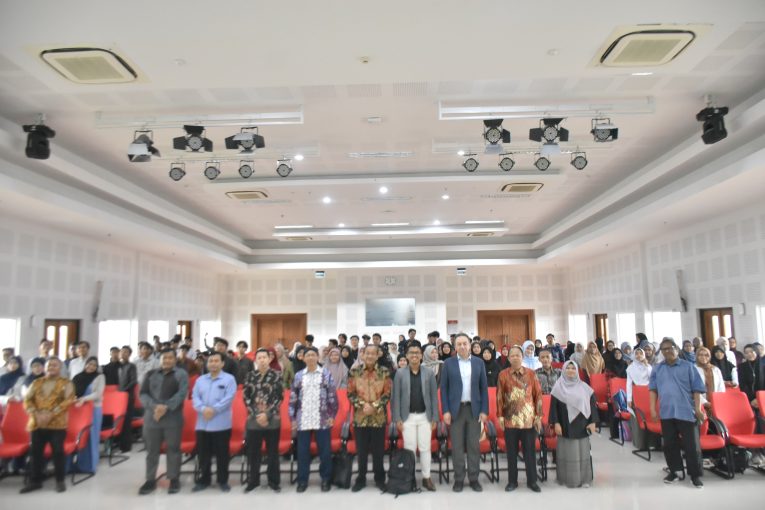
Yogyakarta, 27 November 2025 – The Arabic Study Program at Universitas Gadjah Mada held an Academic Writing Workshop for students of the 2023 cohort who are entering the thesis preparation stage. The workshop featured Adwidya Yoga, M.A., publishing manager at the Bureau of Journals and Publications, Faculty of Cultural Sciences UGM, as the guest speaker.

The workshop aimed to equip students with a comprehensive understanding of effective academic writing techniques, covering both undergraduate thesis composition and the preparation of publishable journal articles. In his presentation, Adwidya Yoga emphasized that academic writing requires precision, a strong logical flow, and a well-structured research strategy. He also clarified the differences between an undergraduate thesis, a master’s thesis, and a doctoral dissertation, enabling students to recognize the analytical standards expected at the undergraduate level.

Adwidya further elaborated on the essential components of journal article writing, including topic selection, research storytelling, source exploration, the use of clear and effective academic language, and strategies for identifying credible journals. He highlighted the importance of building a coherent research narrative through a structured format consisting of introduction, methods, findings and discussion, conclusion, and abstract.

In addition, the speaker shared practical tips on avoiding predatory journals, identifying indicators of journal credibility, and understanding the peer-review process before article submission. Students were also introduced to various writing and reference management tools such as Zotero, Mendeley, DeepL, Grammarly, and VOSviewer to support more efficient and accurate academic work. He underscored that the use of technology and AI tools must be accompanied by ethical responsibility, including the inclusion of a Statement of Originality and AI Tools Fair Use in the publication process.

Through this workshop, the Arabic Study Program at UGM reaffirmed its commitment to enhancing students’ academic competencies in a practical, forward-looking manner. This initiative is expected to strengthen research literacy among the 2023 cohort as they enter the thesis-writing stage with greater confidence, and to encourage the production of scholarly work that is high-quality, credible, and relevant to the development of Arabic studies and the humanities.


Author: Muhammad Ardiansyah


#SastraArabUGM

#SDGs4:QualityEducation

#SDGs9:Industry,Innovation,andInfrastructure

#SDGs17:PartnershipsfortheGoals

IKMASA Hosts “Arab World Youth Summit” – A Biennial Forum for Young People 

IKMASA Hosts “Arab World Youth Summit” – A Biennial Forum for Young People

“Jewish Does Not Necessarily Mean Israeli, and Israel Is Not Always Zionist.”

Is Jewish nationalism—Zionism—now evolving into a political tool to legitimize Israel’s territorial expansion? And where does Indonesia stand as a peace mediator on the global stage amid the Palestine–Israel conflict?

Yogyakarta, 8 November 2025 — The Student Association of Arabic Study Program (IKMASA), Faculty of Cultural Sciences, Universitas Gadjah Mada (UGM), held the Arab World Youth Summit with the theme “Determining Direction: Grand Narratives and Indonesia’s Strategic Steps in the Arab World” on Saturday (8/11) at the Poerbatjaraka Auditorium, FIB UGM. This biennial summit featured a series of programs including a campus tour, Sahara panel discussion, focus group discussion (FGD), group presentation, personal speech sessions, and an awarding ceremony.

The event welcomed invited guests and 45 youth delegates consisting of students from Indonesia and several other countries, including Pakistan, Tanzania, Palestine, and Kenya.

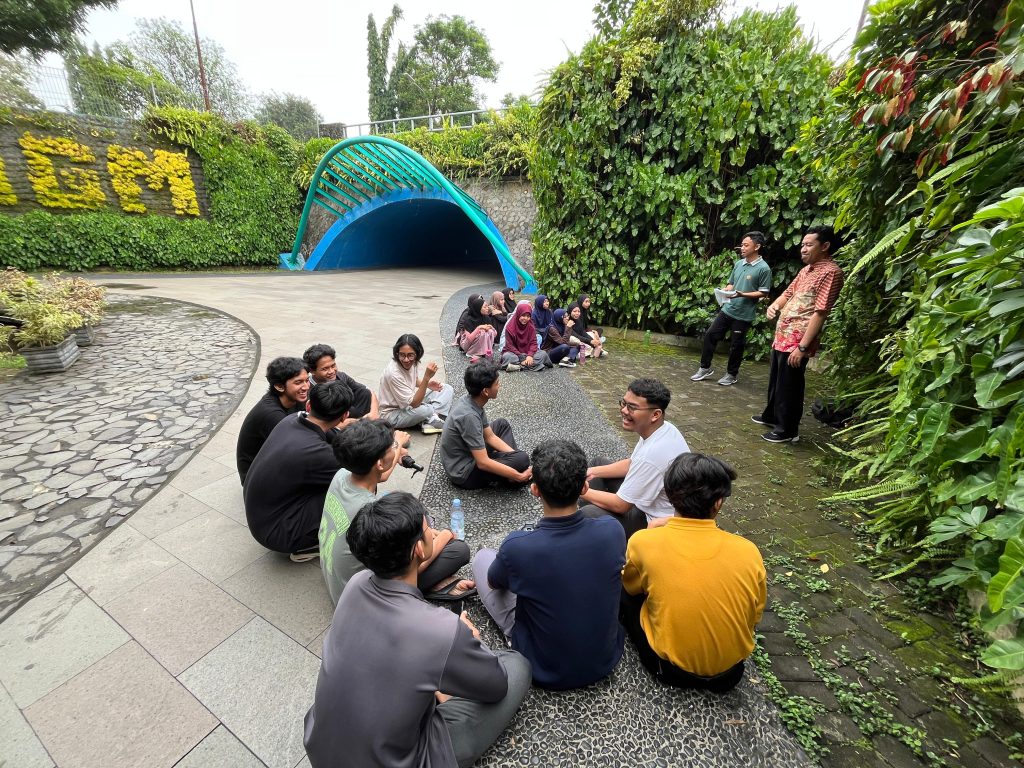
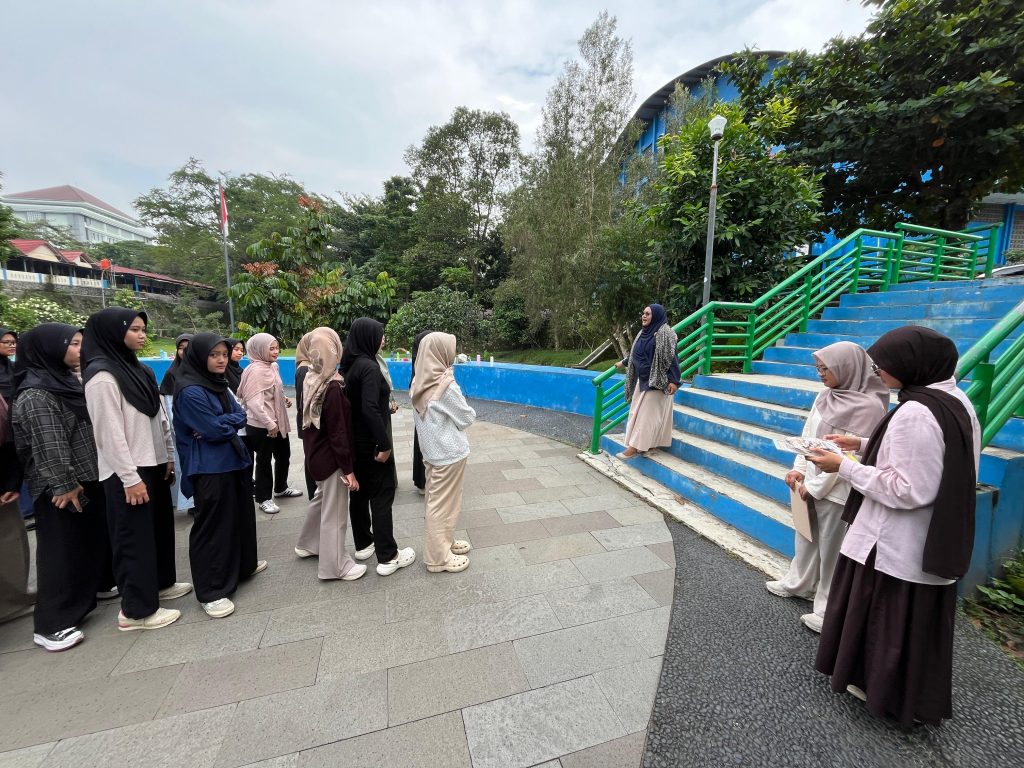
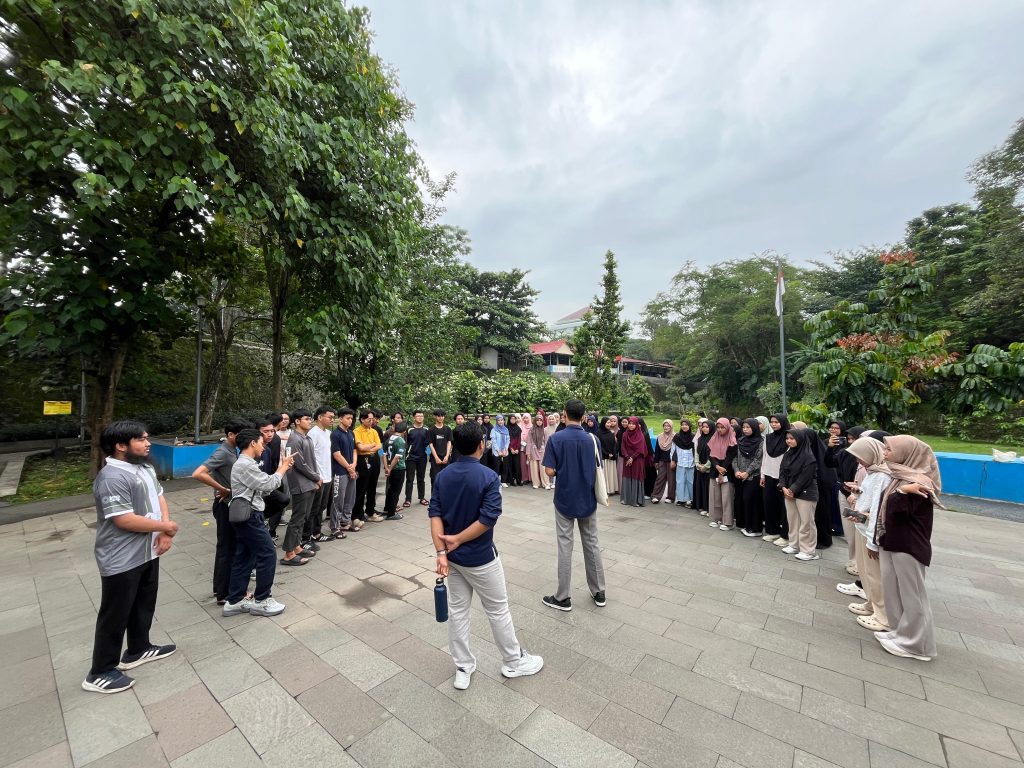
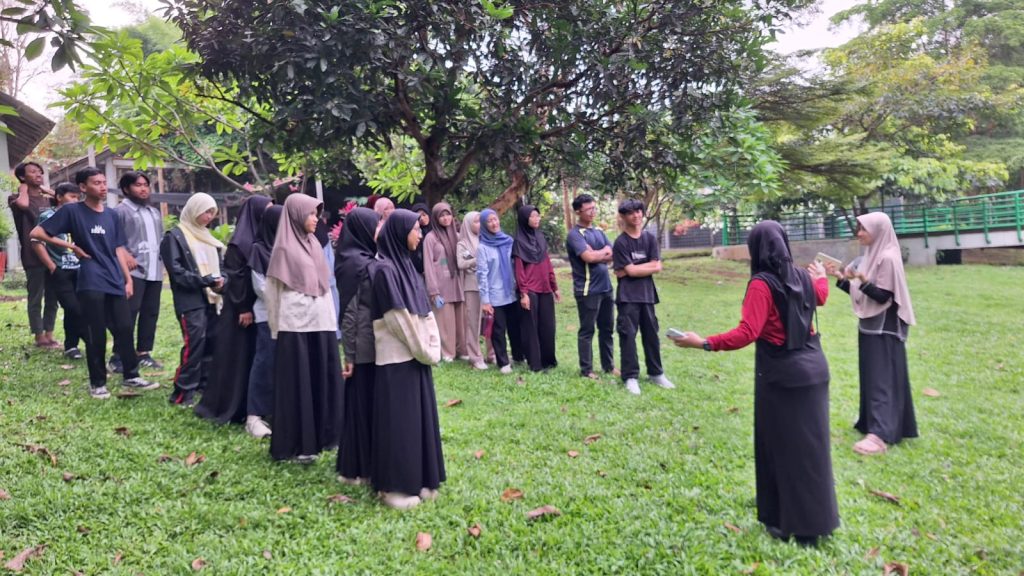
Before the official opening, delegates joined a campus tour guided by eight co-facilitators representing each firqah: Syria, Palestine, Libya, Morocco, Iraq, Qatar, Tunisia, and Egypt. The route began at the Faculty of Cultural Sciences and continued through several UGM faculties, including the Faculty of Economics and Business, Faculty of Social and Political Sciences, Faculty of Forestry, and finally the Main Building (GSP) and Balairung UGM. This activity served not only as an introduction to UGM’s academic environment but also as an opportunity to strengthen communication and build collaborative enthusiasm among participants. 

After returning to FIB, delegates enjoyed a coffee break before moving into the main agenda. The event officially opened with remarks from the emcee, followed by the Sahara panel discussion featuring two keynote speakers: Mohammed Adil Salim Algoul, S.T., M.T., M.Ag., Imam and Khatib of Al-Ikhlas Mosque, Nuseirat, Gaza; and Prof. Dr. Siti Muti’ah Setiawati, M.A., Professor of Middle Eastern Geopolitics, Faculty of Social and Political Sciences UGM. This session was moderated by Azky Zidane Qoimul Haq, Project Director of Madara UGM, the session explored the dynamics of the Palestine–Israel conflict and Indonesia’s diplomatic role.

Prof. Siti Muti’ah highlighted Indonesia’s early commitment to human rights, having signed the UN Declaration of Human Rights on 10 December 1948. She emphasized that the rights of the Palestinian people have been violated, while Israel continues to breach international law, human rights conventions, and humanitarian principles.

Meanwhile, Mohammed Adil offered a critical geopolitical reflection:

“It is wrong to say America controls Israel. Even political leaders—including the U.S. President—have stated that Israel controls America because of the Zionist lobby. The term Zionist is bigger than Israel.”

He also noted Zionism’s skill in crafting terminology to shape social narratives, drawing parallels with historical divide-and-rule strategies in Indonesia, such as the santri–priyayi–abangan classification. He argued that Palestine must counter these narratives by producing alternative terminology.

The summit continued with a 45-minute Focus Group Discussion (FGD) involving all delegates. This session became a space for dialogue, collaborative thinking, and drafting strategic narratives concerning Indonesia’s role in the Arab world. Delegates then presented their group outcomes, followed by personal speeches designed to enhance public speaking skills.

As the event neared its conclusion, the committee announced the winners of IMPACT (Interdisciplinary Madara Essay Presentation Competition), a national essay competition with student and university categories. The awards included: Best Group Presentation: Syria Firqah and The Most Outstanding Delegate at the Arab World Youth Summit 2025: As’ad Najmuddin, Universitas Islam Indonesia (UII)

The Arab World Youth Summit reflects Madara UGM’s vision as more than just a media platform or discussion forum—rather, it embodies the spirit of dialogue, critical thinking, and cross-border collaboration. The initiative aligns strongly with SDG 4: Quality Education, SDG 16: Peace, Justice, and Strong Institutions, and SDG 17: Partnerships for the Goals.

The future belongs to those who open spaces for dialogue—not those who build barriers. Today, Indonesia’s youth stand at the threshold of shaping diplomatic direction, constructing grand narratives, and formulating strategic pathways for engagement with the Arab world.


Author: Hashifa Zara Ahfiyani 


#SASTRAARABUGM

#MADARAUGM

#SDGs4:QualityEducation

#SDGs16:Peace,Justice,andStrongInstitutions

#SDGs17:PartnershipsfortheGoals

UGM’s Middle Eastern Cultural Studies and Arabic Study Program to Host International Public Lecture with Prof. Ayman Shihadeh from University of London

UGM’s Middle Eastern Cultural Studies and Arabic Study Program to Host International Public Lecture with Prof. Ayman Shihadeh from University of London

Join us for an inspiring lecture by:

Prof. Ayman Shihadeh
Professor of Islamic Intellectual History at The School of Oriental and African Studies (SOAS), University of London


🗣 Topic:
Scepticism and Tolerance: A Case from Premodern Islamic Thought

🗓 Thursday, 13 November 2025
🕘 09.00–11.00 Jakarta Time
📍 Soegondo Auditorium, Faculty of Cultural Sciences, UGM

👨‍🏫 Moderator: Tohir Mustofa, M.A.
Lecturer in Arabic Study Program, UGM


📚 Hosted by:
– Faculty of Cultural Sciences, Universitas Gadjah Mada
– Arabic Study Program
– Middle Eastern Cultural Studies


Registration Link:
https://bit.ly/IPLProfAymanShihadeh


#UGM #KBTTUGM #IKMASAUGM #IMABTAUGM #PascasarjanaUGM #AlittihadAsasunNajah

UGM Arabic Students Develop Personal Branding through Digital Content Creation in the Tenth Entrepreneurship Class

UGM Arabic Study Program Students Develop Personal Branding through Digital Content Creation in the Tenth Entrepreneurship Class

Yogyakarta, November 3, 2025 – The Arabic Study Program, Faculty of Cultural Sciences, Universitas Gadjah Mada, continued its tenth session of the Entrepreneurship course with the theme “Optimizing Digital Potential in Business Development.” This session built upon the previous meeting’s topic, focusing on the use of digital media for business promotion but with a more practical and creative approach through a review of student group assignments.

In this meeting, lecturer and guest speaker Reisa Nurma Boruregar, S.S., centered the discussion on reviewing students’ creative video projects that illustrated their personal five-year life plans. Through this assignment, students were encouraged to project their future goals—such as graduation targets, plans for pursuing a master’s degree, or professional career aspirations—and transform these ideas into engaging and innovative visual content.

The assignment aimed to train students in building personal branding and self-promotion through digital media, aligning with the current professional landscape that values online presence and digital identity. Each group presented their video projects in class and received direct feedback from Reisa and their peers on aspects such as visual presentation, narrative flow, and communication strategy.

Through this tenth session, Arabic Literature students gained deeper insights into digital promotion strategies while applying them in a personal and reflective context. This project-based learning approach also demonstrated that the Entrepreneurship course in Arabic Literature UGM goes beyond theory, emphasizing hands-on creativity and digital literacy as essential skills for modern graduates.

The course also contributes to the advancement of the Sustainable Development Goals (SDGs), particularly SDG 4 (Quality Education) by fostering practical, 21st-century skill-based learning; SDG 8 (Decent Work and Economic Growth) by preparing students to thrive in creative and digital industries; and SDG 9 (Industry, Innovation, and Infrastructure) by promoting the use of technology and innovation in sustainable self-development and entrepreneurship.


Author: Muhammad Ardiansyah


#SastraArabUGM

#SDGs4:QualityEducation

#SDGs8:DecentWorkandEconomicGrowth

#SDGs9:Industry,Innovation,andInfrastructure