Arsip:

International

Three UGM Arabic Study Program Students Achieve Success at the International Arabic Language Olympiad

Three UGM Arabic Study Program Students Achieve Success at the International Arabic Language Olympiad

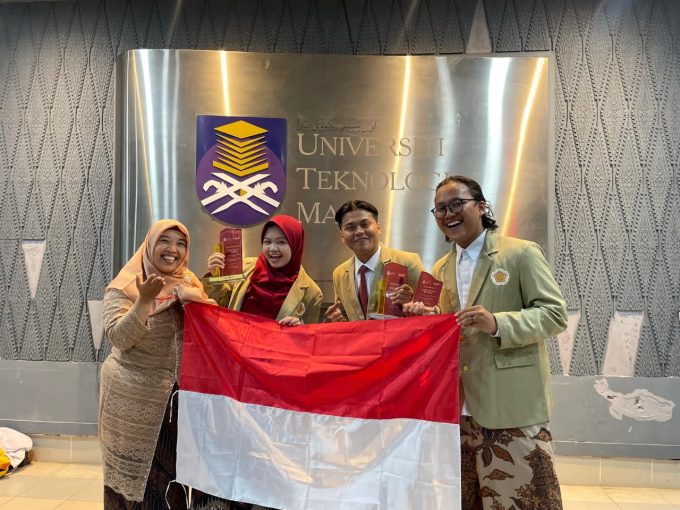
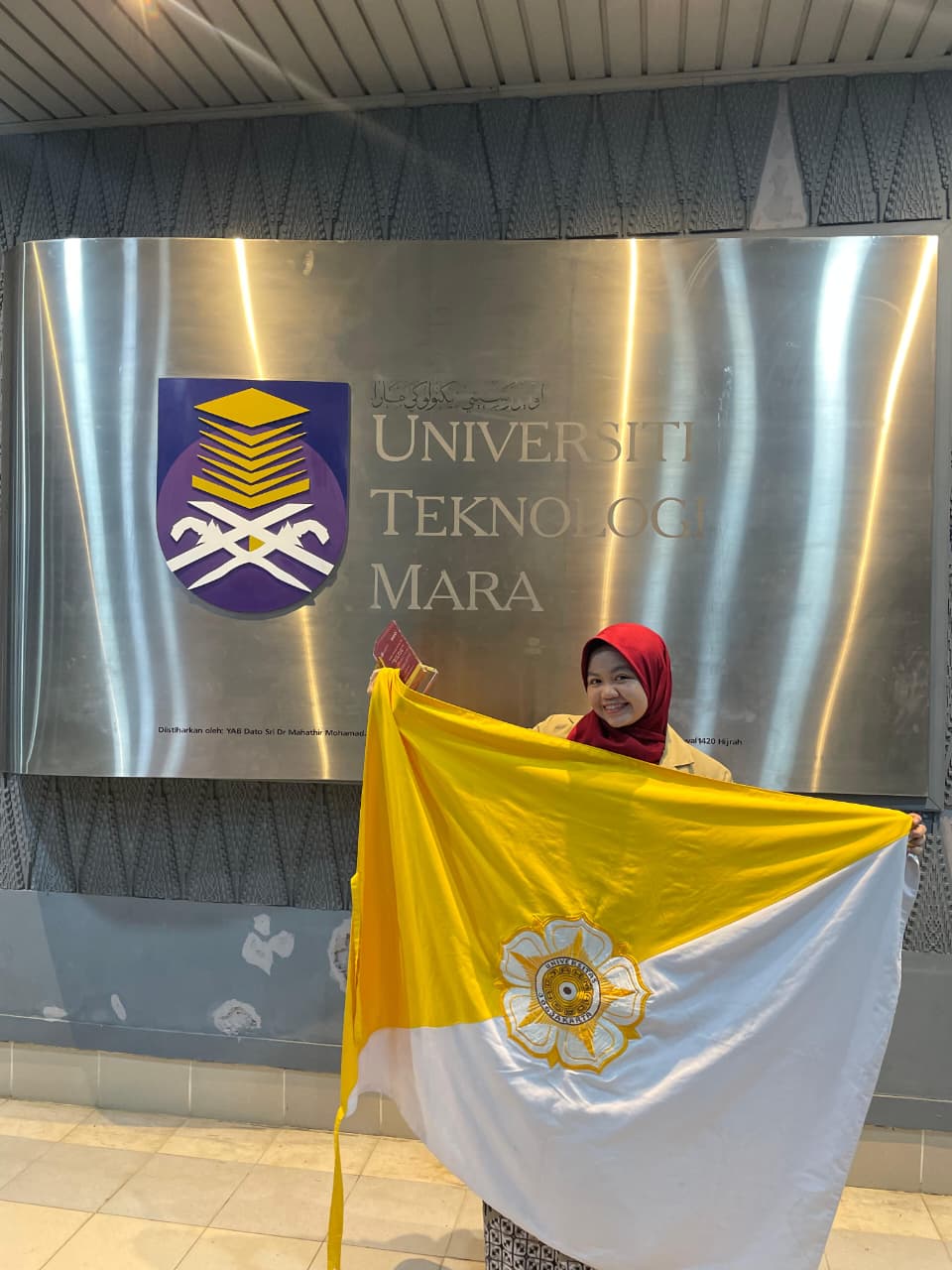
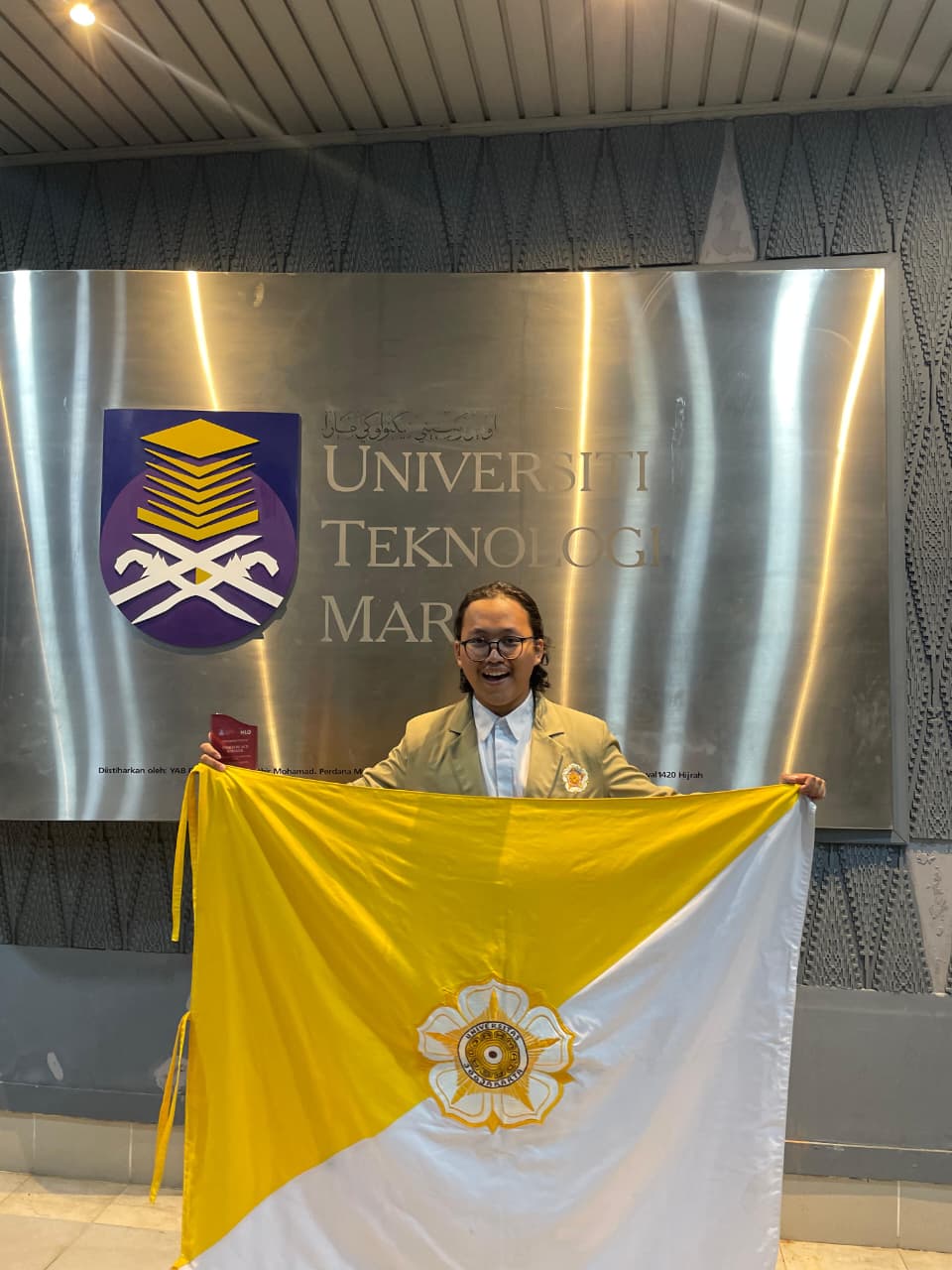
Malaysia, 16 December 2025 – Three students from the Arabic Study Program at Universitas Gadjah Mada achieved notable success at the Modern Languages Olympiad 3.0, an international language competition held at Universiti Teknologi MARA in Shah Alam, Malaysia, with its main events culminating on 16 December 2025. The competition brought together participants from various countries to compete in multilingual language categories.

In the Arabic Poetry Recital category, Pandhita Hapsari, a 2023 cohort student, won first place and also received the Best Script Award. Her teammate, Muhammad Hayyi’ Rosyada from the 2024 cohort, secured third place in the same category. Meanwhile, Haris Arfakhsyadz Azka Maula, also from the 2024 cohort, earned second place in the Arabic Champion Orator category and was additionally recognized with the Best Impromptu Speech Award. Throughout the competition in Malaysia, the students were officially accompanied by Dr. Zurfa Purnamawati, M.Hum., Head of the Arabic Study Program at the Faculty of Cultural Sciences UGM, reflecting the program’s institutional support during the event.

The Modern Languages Olympiad 3.0 was organized by the Academy of Language Studies at Universiti Teknologi MARA as a multilingual competition featuring four main language categories: Malay, English, Arabic, and Mandarin. The competition process began with participant registration on 30 October 2025, followed by the submission of preliminary round videos until 6 November 2025. The judging phase took place from 8 to 15 November 2025, with the announcement of initial results on 17 November 2025. The final round was held in person on 15 and 16 December 2025 and concluded with a closing ceremony the following day.

According to the official description, the Poetry Recital category is designed as a multilingual poetry writing and performance competition that encourages creative expression across languages while celebrating cultural diversity and unity. The Champion Orator category, meanwhile, serves as a multilingual public speaking platform that enables participants to convey ideas across traditions and enrich cultural values in public discourse.

The achievements of the UGM Arabic Study Program students at the Modern Languages Olympiad 3.0 highlight their strong academic capacity and competitive language skills on the international stage. Active participation in global forums such as this reinforces the role of language as a bridge for intercultural dialogue and underscores the importance of education oriented toward cross national collaboration for a more sustainable future.


Author: Candra Solihin


#ArabicStudyProgramUGM

#FacultyofCulturalSciencesUGM

#SDGs4:QualityEducation

#SDGs10:ReducedInequalities

#SDGs17:PartnershipsfortheGoals

Master in Middle Eastern Cultural Studies and Arabic Study Program UGM Held International Public Lecture with Prof. Ayman Shihadeh: “Exploring Skepticism and Tolerance in Premodern Islamic Thought”

Master in Middle Eastern Cultural Studies and Arabic Study Program UGM Held International Public Lecture with Prof. Ayman Shihadeh: “Exploring Skepticism and Tolerance in Premodern Islamic Thought”

Yogyakarta, 13 November 2025 — The Master’s Program in Middle Eastern Cultural Studies (KBTT) at Universitas Gadjah Mada, in collaboration with the Arabic Study Program, hosted an International Public Lecture titled “Scepticism and Tolerance: A Case from Premodern Islamic Thought.” The event featured Prof. Ayman Shihadeh, a distinguished scholar of Islamic intellectual history from the School of Oriental and African Studies (SOAS), University of London. Held at the Soegondo Auditorium, Faculty of Cultural Sciences UGM, the lecture was also livestreamed via the Arabic Study Program’s YouTube channel, allowing broader public access. The session was moderated by Tohir Mustofa, M.A., lecturer of the Arabic Study Program, and attended by students from both undergraduate and postgraduate levels.

This public lecture highlighted the strategic synergy between the KBTT Program and the Arabic Study Program UGM, reaffirming their shared commitment to bringing world-class academic discourse to students and the wider community. Through its YouTube livestream, the event aimed to reach a wider audience, strengthen public intellectual literacy, and foster a culture of critical and constructive dialogue.

The lecture also supported key Sustainable Development Goals (SDGs), particularly SDG 4 (Quality Education) through accessible high-quality academic learning, SDG 16 (Peace, Justice, and Strong Institutions) by promoting values of tolerance and dialogue, and SDG 17 (Partnerships for the Goals) through interdisciplinary academic collaboration.


Author: Muhammad Ardiansyah


#KuliahUmum

#SastraArabUGM

#MagisterKBTTUGM

#SDGs4:QualityEducation

#SDGs16:Peace,Justice,andStrongInstitutions

#SDGs17:PartnershipsfortheGoals

UGM Arabic Study Program Participates in ICESCO Arabic Language Teaching Training

UGM Arabic Study Program Participates in ICESCO Arabic Language Teaching Training

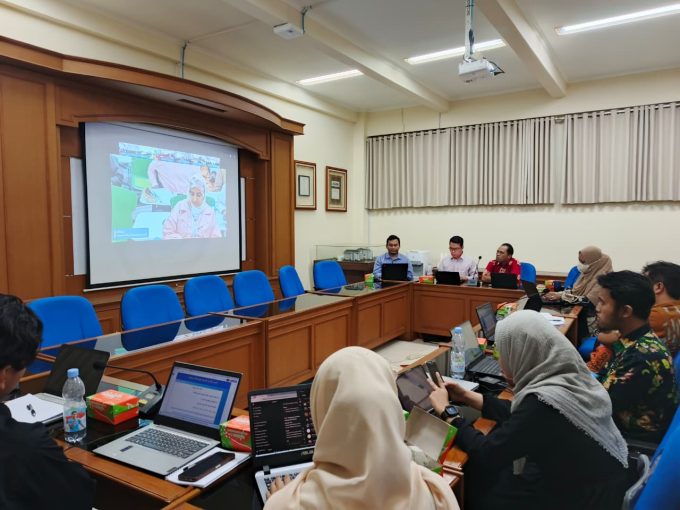
Yogyakarta, 13 November 2025 — The Arabic Study Program at Universitas Gadjah Mada (UGM), with Universitas Islam Negeri Sunan Kalijaga, Universitas Ahmad Dahlan, and Pondok Pesantren Muhammadiyyah, took part in the Arabic Language Teaching Training organized by the Islamic World Educational, Scientific and Cultural Organization (ICESCO). The training brought together not only participants from Indonesia but also representatives from various countries such as Malaysia, Thailand, Uzbekistan, Morocco, Russia, and others.

The ICESCO training focused on four fundamental theories in Arabic language teaching and learning. The first was the Grammar–Translation Theory, which is suitable for advanced learners and emphasizes reading, writing, and vocabulary mastery, particularly for academic, religious, and literary purposes. The second was the Behaviorism Theory (as-Sulukiyah), which views language as a form of behavior shaped through repetition and imitation, highlighting the significant role of environment in language acquisition. The third theory, Cognitivism (al-Ma‘rifiyyah), underscores that language learning involves active mental processes such as attention, information processing, and comprehension, placing learners as active participants rather than passive recipients. The final theory, Communicative Theory (at-Tawasuliyyah), emphasizes real-life language use within social contexts, prioritizing fluency and communicative ability over strict grammatical accuracy. This theory also acknowledges dialectal variations as an integral part of everyday language use.

In its concluding remarks, ICESCO highlighted that no single theory is entirely sufficient. Each has strengths and limitations, meaning effective Arabic language instruction requires an integrated approach that adapts to context. The training also emphasized the growing role of technology and artificial intelligence (AI) in designing lessons, generating exercises, and visualizing theoretical applications in more engaging and effective ways.

The Arabic Study Program at UGM’s participation in the ICESCO training reinforces the university’s commitment to strengthening the capacity of Arabic language educators and learners on campus. This initiative aligns with the Sustainable Development Goals (SDGs), particularly SDG 4 (Quality Education), SDG 16 (Peace, Justice, and Strong Institutions), and SDG 17 (Partnerships for the Goals). Through this involvement, the Arabic Study Program at UGM continues to advance as a progressive and globally connected center for Arabic language and cultural studies.


Author: Muhammad Ardiansyah


#UGMArabicStudyProgram

#FacultyofCulturalSciences

#UniversitasGadjahMada

#ICESCO

#SDGs4:QualityEducation

#SDGs16:Peace,Justice,andStrongInstitutions

#SDGs17:PartnershipsfortheGoals

IKMASA Hosts “Arab World Youth Summit” – A Biennial Forum for Young People 

IKMASA Hosts “Arab World Youth Summit” – A Biennial Forum for Young People

“Jewish Does Not Necessarily Mean Israeli, and Israel Is Not Always Zionist.”

Is Jewish nationalism—Zionism—now evolving into a political tool to legitimize Israel’s territorial expansion? And where does Indonesia stand as a peace mediator on the global stage amid the Palestine–Israel conflict?

Yogyakarta, 8 November 2025 — The Student Association of Arabic Study Program (IKMASA), Faculty of Cultural Sciences, Universitas Gadjah Mada (UGM), held the Arab World Youth Summit with the theme “Determining Direction: Grand Narratives and Indonesia’s Strategic Steps in the Arab World” on Saturday (8/11) at the Poerbatjaraka Auditorium, FIB UGM. This biennial summit featured a series of programs including a campus tour, Sahara panel discussion, focus group discussion (FGD), group presentation, personal speech sessions, and an awarding ceremony.

The event welcomed invited guests and 45 youth delegates consisting of students from Indonesia and several other countries, including Pakistan, Tanzania, Palestine, and Kenya.

Before the official opening, delegates joined a campus tour guided by eight co-facilitators representing each firqah: Syria, Palestine, Libya, Morocco, Iraq, Qatar, Tunisia, and Egypt. The route began at the Faculty of Cultural Sciences and continued through several UGM faculties, including the Faculty of Economics and Business, Faculty of Social and Political Sciences, Faculty of Forestry, and finally the Main Building (GSP) and Balairung UGM. This activity served not only as an introduction to UGM’s academic environment but also as an opportunity to strengthen communication and build collaborative enthusiasm among participants. 

After returning to FIB, delegates enjoyed a coffee break before moving into the main agenda. The event officially opened with remarks from the emcee, followed by the Sahara panel discussion featuring two keynote speakers: Mohammed Adil Salim Algoul, S.T., M.T., M.Ag., Imam and Khatib of Al-Ikhlas Mosque, Nuseirat, Gaza; and Prof. Dr. Siti Muti’ah Setiawati, M.A., Professor of Middle Eastern Geopolitics, Faculty of Social and Political Sciences UGM. This session was moderated by Azky Zidane Qoimul Haq, Project Director of Madara UGM, the session explored the dynamics of the Palestine–Israel conflict and Indonesia’s diplomatic role.

Prof. Siti Muti’ah highlighted Indonesia’s early commitment to human rights, having signed the UN Declaration of Human Rights on 10 December 1948. She emphasized that the rights of the Palestinian people have been violated, while Israel continues to breach international law, human rights conventions, and humanitarian principles.

Meanwhile, Mohammed Adil offered a critical geopolitical reflection:

“It is wrong to say America controls Israel. Even political leaders—including the U.S. President—have stated that Israel controls America because of the Zionist lobby. The term Zionist is bigger than Israel.”

He also noted Zionism’s skill in crafting terminology to shape social narratives, drawing parallels with historical divide-and-rule strategies in Indonesia, such as the santri–priyayi–abangan classification. He argued that Palestine must counter these narratives by producing alternative terminology.

The summit continued with a 45-minute Focus Group Discussion (FGD) involving all delegates. This session became a space for dialogue, collaborative thinking, and drafting strategic narratives concerning Indonesia’s role in the Arab world. Delegates then presented their group outcomes, followed by personal speeches designed to enhance public speaking skills.

As the event neared its conclusion, the committee announced the winners of IMPACT (Interdisciplinary Madara Essay Presentation Competition), a national essay competition with student and university categories. The awards included: Best Group Presentation: Syria Firqah and The Most Outstanding Delegate at the Arab World Youth Summit 2025: As’ad Najmuddin, Universitas Islam Indonesia (UII)

The Arab World Youth Summit reflects Madara UGM’s vision as more than just a media platform or discussion forum—rather, it embodies the spirit of dialogue, critical thinking, and cross-border collaboration. The initiative aligns strongly with SDG 4: Quality Education, SDG 16: Peace, Justice, and Strong Institutions, and SDG 17: Partnerships for the Goals.

The future belongs to those who open spaces for dialogue—not those who build barriers. Today, Indonesia’s youth stand at the threshold of shaping diplomatic direction, constructing grand narratives, and formulating strategic pathways for engagement with the Arab world.


Author: Hashifa Zara Ahfiyani 


#SASTRAARABUGM

#MADARAUGM

#SDGs4:QualityEducation

#SDGs16:Peace,Justice,andStrongInstitutions

#SDGs17:PartnershipsfortheGoals