Arsip:

Workshop

UGM Arabic Study Program Participates in ICESCO Arabic Language Teaching Training
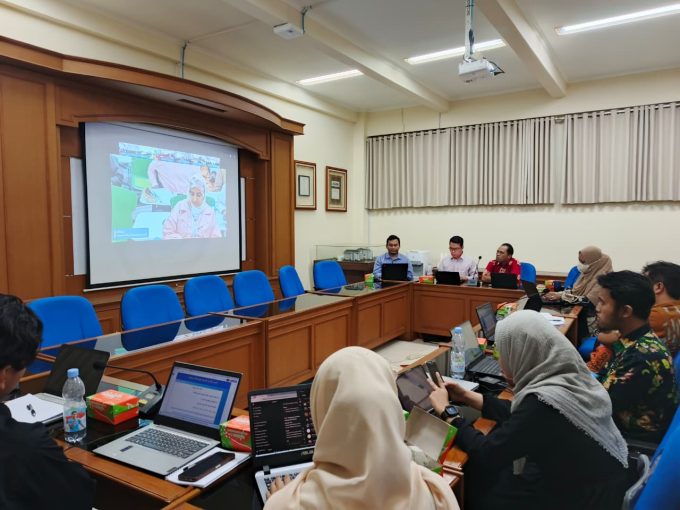
UGM Arabic Study Program Participates in ICESCO Arabic Language Teaching Training

Yogyakarta, 13 November 2025 — The Arabic Study Program at Universitas Gadjah Mada (UGM), with Universitas Islam Negeri Sunan Kalijaga, Universitas Ahmad Dahlan, and Pondok Pesantren Muhammadiyyah, took part in the Arabic Language Teaching Training organized by the Islamic World Educational, Scientific and Cultural Organization (ICESCO). The training brought together not only participants from Indonesia but also representatives from various countries such as Malaysia, Thailand, Uzbekistan, Morocco, Russia, and others.

The ICESCO training focused on four fundamental theories in Arabic language teaching and learning. The first was the Grammar–Translation Theory, which is suitable for advanced learners and emphasizes reading, writing, and vocabulary mastery, particularly for academic, religious, and literary purposes. The second was the Behaviorism Theory (as-Sulukiyah), which views language as a form of behavior shaped through repetition and imitation, highlighting the significant role of environment in language acquisition. The third theory, Cognitivism (al-Ma‘rifiyyah), underscores that language learning involves active mental processes such as attention, information processing, and comprehension, placing learners as active participants rather than passive recipients. The final theory, Communicative Theory (at-Tawasuliyyah), emphasizes real-life language use within social contexts, prioritizing fluency and communicative ability over strict grammatical accuracy. This theory also acknowledges dialectal variations as an integral part of everyday language use.

In its concluding remarks, ICESCO highlighted that no single theory is entirely sufficient. Each has strengths and limitations, meaning effective Arabic language instruction requires an integrated approach that adapts to context. The training also emphasized the growing role of technology and artificial intelligence (AI) in designing lessons, generating exercises, and visualizing theoretical applications in more engaging and effective ways.

The Arabic Study Program at UGM’s participation in the ICESCO training reinforces the university’s commitment to strengthening the capacity of Arabic language educators and learners on campus. This initiative aligns with the Sustainable Development Goals (SDGs), particularly SDG 4 (Quality Education), SDG 16 (Peace, Justice, and Strong Institutions), and SDG 17 (Partnerships for the Goals). Through this involvement, the Arabic Study Program at UGM continues to advance as a progressive and globally connected center for Arabic language and cultural studies.


Author: Muhammad Ardiansyah


#UGMArabicStudyProgram

#FacultyofCulturalSciences

#UniversitasGadjahMada

#ICESCO

#SDGs4:QualityEducation

#SDGs16:Peace,Justice,andStrongInstitutions

#SDGs17:PartnershipsfortheGoals
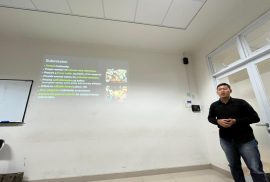
UGM Arabic Study Program Holds Academic Writing Workshop to Prepare Students for Undergraduate Thesis Stage

UGM Arabic Study Program Holds Academic Writing Workshop to Prepare Students for Undergraduate Thesis Stage

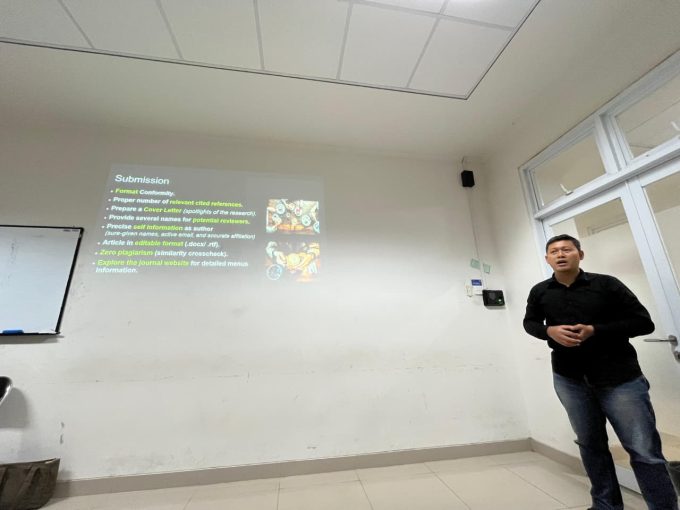
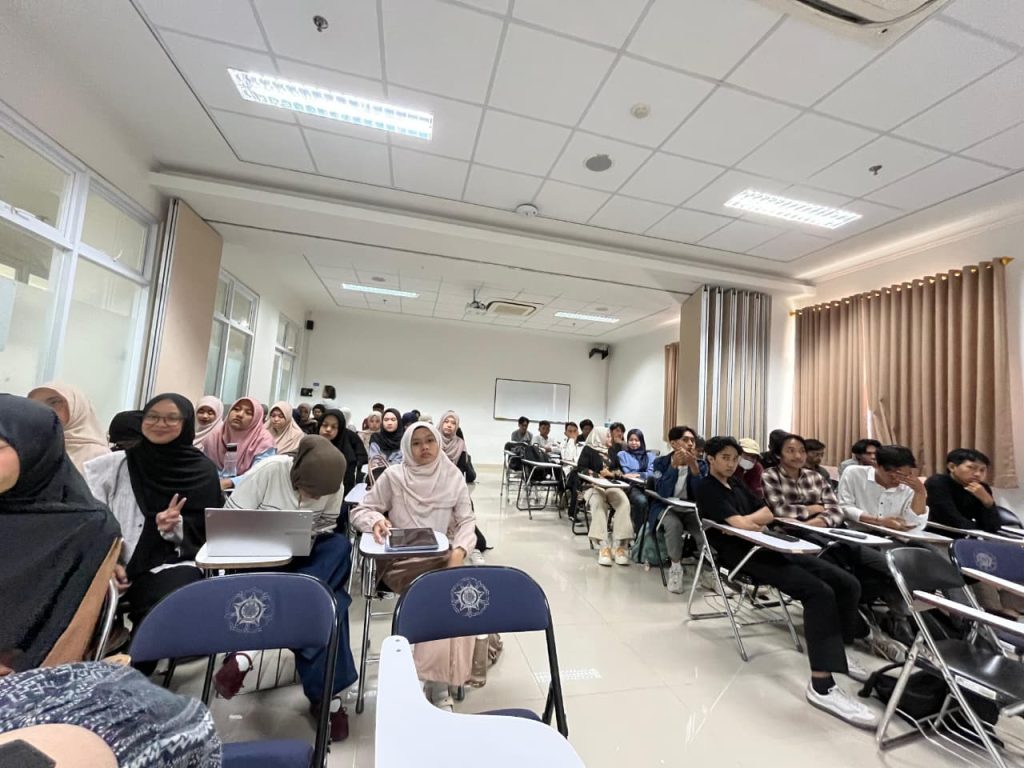
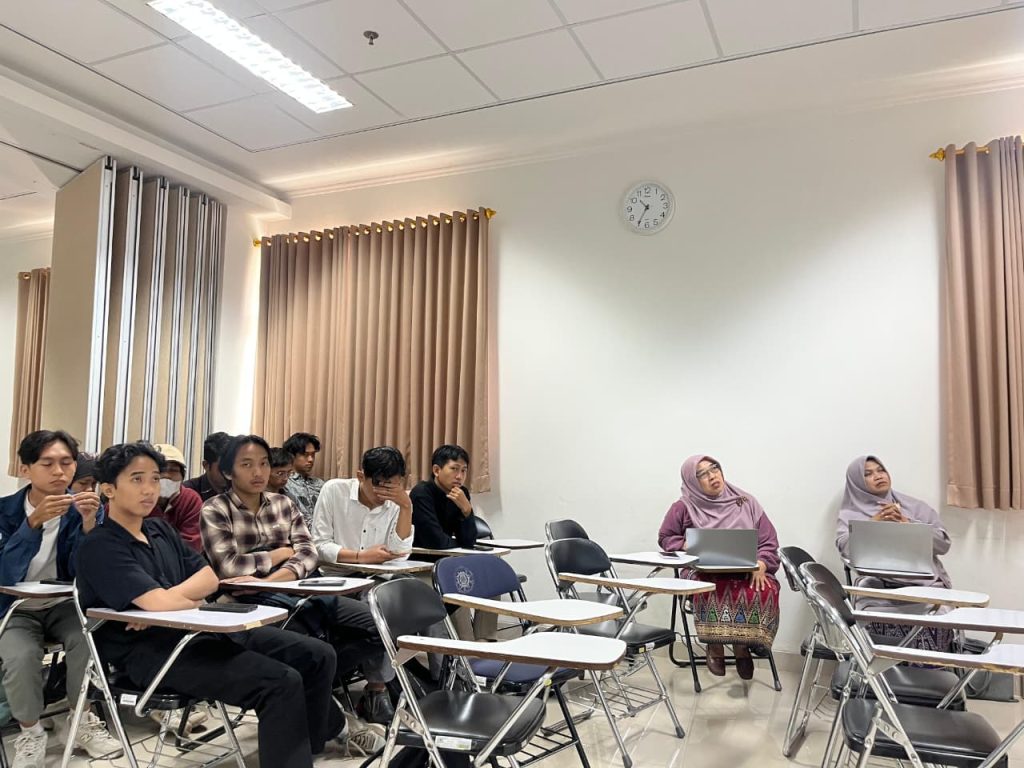
Yogyakarta, 27 November 2025 – The Arabic Study Program at Universitas Gadjah Mada held an Academic Writing Workshop for students of the 2023 cohort who are entering the thesis preparation stage. The workshop featured Adwidya Yoga, M.A., publishing manager at the Bureau of Journals and Publications, Faculty of Cultural Sciences UGM, as the guest speaker.

The workshop aimed to equip students with a comprehensive understanding of effective academic writing techniques, covering both undergraduate thesis composition and the preparation of publishable journal articles. In his presentation, Adwidya Yoga emphasized that academic writing requires precision, a strong logical flow, and a well-structured research strategy. He also clarified the differences between an undergraduate thesis, a master’s thesis, and a doctoral dissertation, enabling students to recognize the analytical standards expected at the undergraduate level.

Adwidya further elaborated on the essential components of journal article writing, including topic selection, research storytelling, source exploration, the use of clear and effective academic language, and strategies for identifying credible journals. He highlighted the importance of building a coherent research narrative through a structured format consisting of introduction, methods, findings and discussion, conclusion, and abstract.

In addition, the speaker shared practical tips on avoiding predatory journals, identifying indicators of journal credibility, and understanding the peer-review process before article submission. Students were also introduced to various writing and reference management tools such as Zotero, Mendeley, DeepL, Grammarly, and VOSviewer to support more efficient and accurate academic work. He underscored that the use of technology and AI tools must be accompanied by ethical responsibility, including the inclusion of a Statement of Originality and AI Tools Fair Use in the publication process.

Through this workshop, the Arabic Study Program at UGM reaffirmed its commitment to enhancing students’ academic competencies in a practical, forward-looking manner. This initiative is expected to strengthen research literacy among the 2023 cohort as they enter the thesis-writing stage with greater confidence, and to encourage the production of scholarly work that is high-quality, credible, and relevant to the development of Arabic studies and the humanities.


Author: Muhammad Ardiansyah


#SastraArabUGM

#SDGs4:QualityEducation

#SDGs9:Industry,Innovation,andInfrastructure

#SDGs17:PartnershipsfortheGoals

UGM Arabic Study Program Participates in the Arabic Curriculum Standards Assessment Workshop at UIN Siber Syekh Nurjati Cirebon

UGM Arabic Study Program Participates in the Arabic Curriculum Standards Assessment Workshop at UIN Siber Syekh Nurjati Cirebon

West Java, October 29, 2025 – The Curriculum Team of the Arabic Study Program, Faculty of Cultural Sciences, Universitas Gadjah Mada (UGM), took part in the Curriculum Standards Assessment Workshop organized by UIN Siber Syekh Nurjati Cirebon. The event gathered 19 Arabic Language and Literature study programs from various universities under both the Ministry of Education, Culture, Research, and Technology and the Ministry of Religious Affairs. 

Participating universities included Universitas Gadjah Mada, UIN Siber Syekh Nurjati Cirebon, UIN Sunan Kalijaga Yogyakarta, Universitas Hasanuddin, UIN Alauddin Makassar, Universitas Muslim Indonesia, Sekolah Tinggi Dirasat Islamiyah Imam Syafi’i Jember, STAI Riyadlul ‘Ulum Tasikmalaya, UIN Raden Fatah Palembang, UIN Raden Mas Said Surakarta, UIN Sunan Ampel Surabaya, UIN Sunan Gunung Djati, UIN Satu Tulungagung, Universitas Ahmad Dahlan, Universitas Nahdlatul Ulama Sunan Giri, Universitas Sumatera Utara, Universitas Al-Azhar Indonesia, UIN Sultan Maulana Hasanuddin Banten, and UIN Salatiga. This broad participation reflects a shared commitment to strengthening inter-institutional collaboration in shaping a modern and adaptive approach to Arabic language education in response to contemporary challenges.

The opening ceremony, held at the 8th floor auditorium of the SBSN Siber Building, was attended by faculty leaders and members of the Ittihad Aqsam al-Lughah al-‘Arabiyyah wa Adabiha (IQLAB) central board. In his address, Dr. Uki Sukiman (UIN Sunan Kalijaga Yogyakarta), Chairperson of IQLAB Indonesia, emphasized the growing importance of synergy among Arabic Language and Literature study programs in advancing both academic excellence and institutional development. The workshop was officially inaugurated by Dr. Wakhid Nashruddin, Vice Dean for Academic Affairs at UIN Siber Syekh Nurjati, who highlighted the urgency of curriculum evaluation as a strategic step to enhance graduate competitiveness.

The sessions continued with curriculum development and assessment discussions led by Haeruddin, M.A. (Universitas Hasanuddin), Head of the Curriculum and Quality Assurance Division at IQLAB, who presented the concept of Outcome-Based Education (OBE) and stressed the importance of continuous assessment in curriculum improvement.

On the second day, participants conducted self-assessments of their respective study programs and endorsed two key documents: the Curriculum Development Guidelines and the Curriculum Draft Assessment Manual. Both documents were signed by all participants and officially ratified by Dr. Uki Sukiman, M.Ag, Chairperson of IQLAB Indonesia, accompanied by Siti Aminah, S.S., M.A. from Universitas Gadjah Mada, who serves as IQLAB’s Secretary General.

Beyond the academic agenda, the workshop also served as a platform to foster camaraderie and collaboration among institutions. To close the event, participants explored Cirebon’s rich cultural heritage through visits to Kasepuhan Palace and Masjid Sang Cipta Rasa, followed by a culinary experience featuring the city’s signature dish, empal gentong, at Krucuk.

Through this workshop, IQLAB Indonesia and participating institutions reaffirmed their commitment to strengthening the quality of Arabic Language and Literature education in Indonesia, fostering inter-institutional partnerships, and aligning curricula with the evolving demands of the modern world and global educational standards.


Author: Siti Aminah, S.S.,M.A.


#SastraArabUGM

#IQLABIndonesia

#SDGs4:QualityEducation

#SDGs9:Industry,Innovation,andInfrastructure

#SDGs17:PartnershipsfortheGoals