Arsip:

Berita (inggris)

Sixth Entrepreneurship Lecture: UGM Arabic Study Program Students Design Social Entrepreneurship Business Plans Based on Literacy
Sixth Entrepreneurship Lecture: UGM Arabic Study Program Students Design Social Entrepreneurship Business Plans Based on Literacy

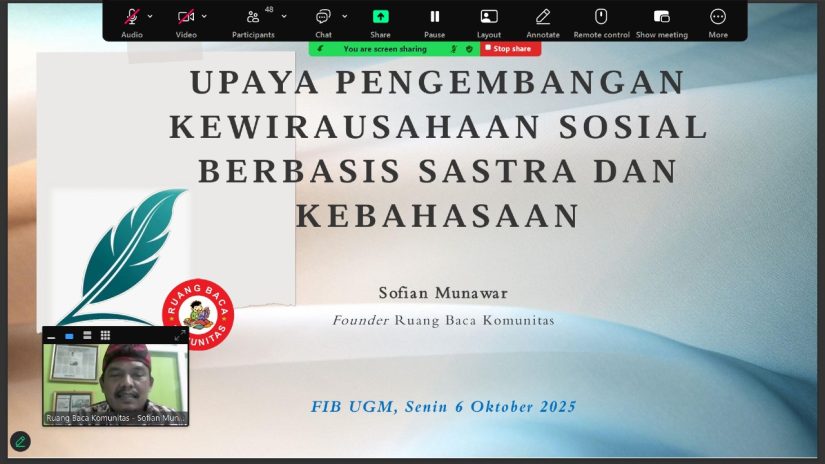
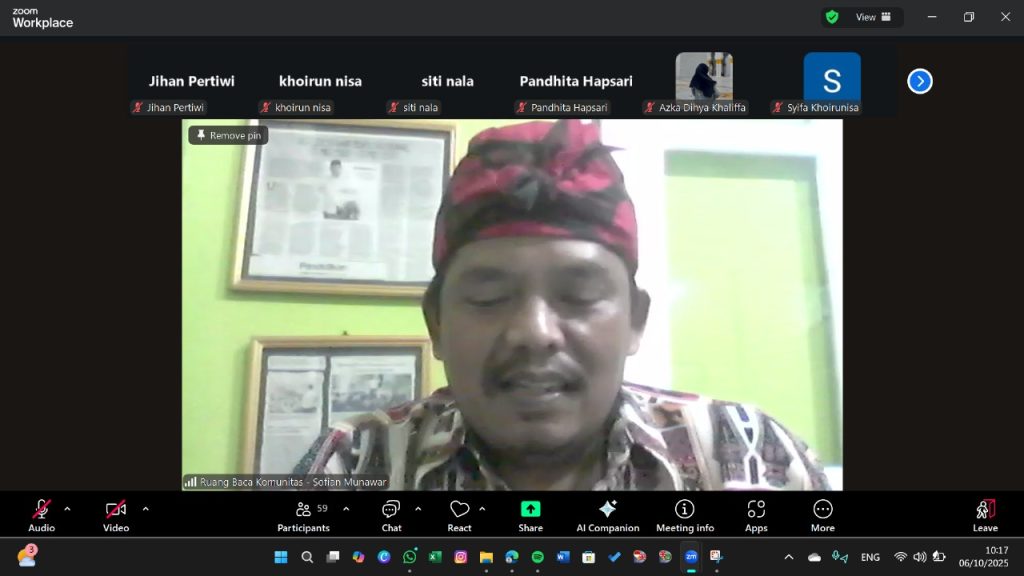
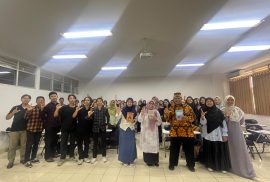
Yogyakarta, October 6, 2025 – The Arabic Study Program, Faculty of Cultural Sciences, Universitas Gadjah Mada, continued its Entrepreneurship course in the sixth session by once again inviting Sofian Munawar, S.S., M.A., Founder of Ruang Baca Komunitas, as the guest lecturer. In this session, students were guided to design a business plan under the theme “Developing Social Entrepreneurship Based on Literature and Language”, as a practical application of the materials discussed in previous meetings.

During the lecture, Sofian Munawar emphasized the importance of understanding the literacy ecosystem within schools and communities as the foundation for developing literature- and language-based social enterprises. Students were encouraged to identify existing literacy issues—such as low reading interest, limited access to books, and weak writing culture among students. From these challenges, they learned how to conduct research, develop innovative concepts, and formulate sustainable business plans that take social and educational aspects into account.
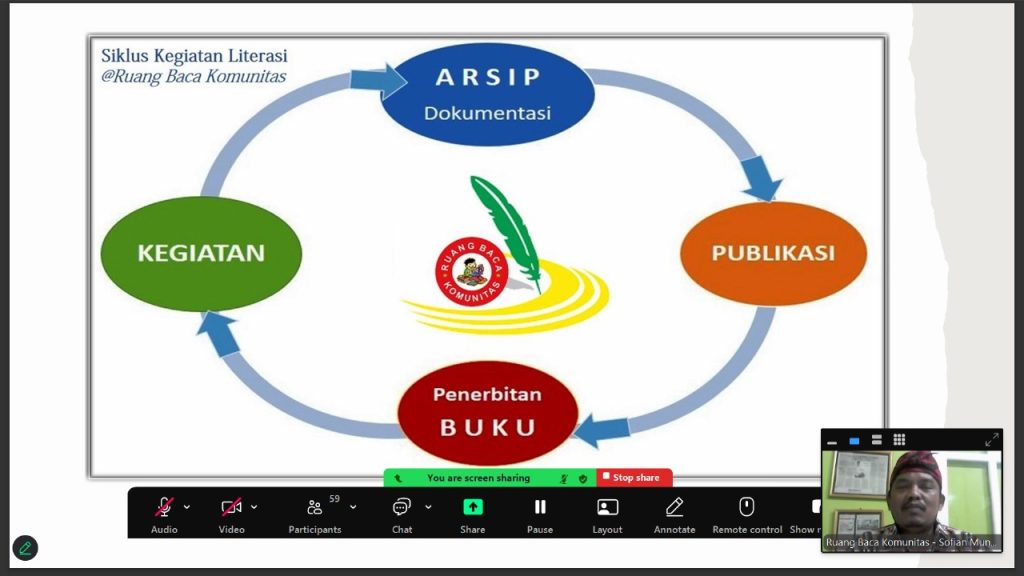
Sofian Munawar also highlighted the significance of building cross-institutional networks involving schools, government bodies, and literacy communities. He introduced students to various literacy-based initiatives such as IKMASA Goes to School (a literacy outreach to Islamic boarding schools), collaborations with the Ministry of Religious Affairs and BAZNAS, and publishing opportunities through IKMASA Press. In this context, books are seen not merely as reading materials, but as tools of inspiration and instruments for community empowerment.

As a form of applied learning, Arabic Study Program students were assigned to create a group business plan titled “Social Entrepreneurship Design Based on Linguistic Literacy”, which included components such as background, problem identification, business opportunities, and implementation strategies. These business plans will later be presented in the following session as a tangible reflection of their ability to develop literacy-based social enterprise ideas.

Through this session, UGM Arabic Study Program students not only learned to be critical and creative academics but also changemakers capable of generating social impact through literacy innovation. This program also contributes to the achievement of the Sustainable Development Goals (SDGs), particularly SDG 4 (Quality Education) by strengthening literacy movements, SDG 8 (Decent Work and Economic Growth) by encouraging the creation of competitive social enterprises, and SDG 10 (Reduced Inequalities) through inclusive education and language-based community empowerment.


Author: Muhammad Ardiansyah


#SASTRAARAB

#SASTRAARABUGM

#FIBUGM

#SDGs4:QualityEducation

#SDGs8:DecentWorkandEconomicGrowth

#SDGs10:ReducedInequalities
Fifth Entrepreneurship Lecture: UGM Arabic Study Program Students Explore Opportunities in Social Entrepreneurship

Fifth Entrepreneurship Lecture: UGM Arabic Study Program Students Explore Opportunities in Social Entrepreneurship

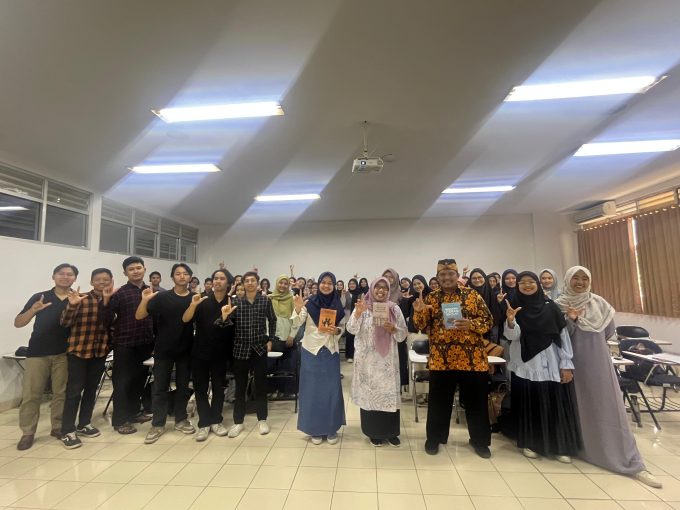
Yogyakarta, September 29, 2025 – The Arabic Study Program, Faculty of Cultural Sciences, Universitas Gadjah Mada, continued its Entrepreneurship lecture series with the fifth meeting featuring Sofian Munawar, S.S., M.A., Founder of Ruang Baca Komunitas. In this session, students were invited to explore the concept of social entrepreneurship, a business approach that prioritizes solving social, environmental, and community issues through innovative and sustainable methods.

The lecture highlighted that social entrepreneurship is not merely profit-driven but instead focuses on social missions, innovation, sustainability, and generating real impact for communities. In the context of literature and language studies, this can be applied through creative literacy initiatives such as reading and writing workshops, digital literacy development, promoting a reading culture, and expanding public access to educational resources.

Students of the Arabic Study Program were also introduced to various examples of social entrepreneurship practices, both globally and locally. Inspiring cases such as Grameen Bank in Bangladesh, Warby Parker in the United States, and Indonesia’s National Literacy Movement showcased how social enterprises can improve quality of life while fostering independence. Locally, best practices from Yogyakarta were presented, including CV Agradaya Indonesia, which promotes sustainable spice farming; Yayasan Penyandang Cacat Mandiri, which empowers people with disabilities through woodcraft; and Sayur Sleman Academy, which trains young agripreneurs. These examples served as both motivation and inspiration for students to see the potential in their own fields.

The lecture also addressed the challenges facing literacy movements, such as limited resources, lack of student motivation, and barriers to technology access. However, students were encouraged to view these challenges as opportunities for innovation through collaboration among schools, families, and communities. This perspective reinforced the idea that literacy is not confined to classrooms but is brought to life through community activities, local culture, and digital platforms.

Through this session, Arabic Study Program students not only gained a conceptual understanding of social entrepreneurship but were also challenged to develop real initiatives rooted in literature and language that could bring tangible benefits to society. This lecture also aligns with the Sustainable Development Goals (SDGs), particularly SDG 4 (Quality Education) by strengthening literacy movements, SDG 8 (Decent Work and Economic Growth) by fostering social enterprises that create meaningful jobs, and SDG 10 (Reduced Inequalities) through inclusive community empowerment programs.


Author: Muhammad Ardiansyah


#SASTRAARAB

#SASTRAARABUGM

#FIBUGM

#SDGs4:QualityEducation

#SDGs8:DecentWorkandEconomicGrowth

#SDGs10:ReducedInequalities
Fourth Entrepreneurship Class: Arabic Study Program UGM Students Explore Hajj-Umrah Business and Religious Travel Strategies

Fourth Entrepreneurship Class: Arabic Study Program UGM Students Explore Hajj-Umrah Business and Religious Travel Strategies

Yogyakarta, September 24, 2025 – The Arabic Study Program, Faculty of Cultural Sciences, Universitas Gadjah Mada, continued its Entrepreneurship course with the fourth meeting focusing on business opportunities in religious travel services, particularly Hajj and Umrah. The session featured guest lecturer Muhammad Egata Asysyakur, S.S., CTL., who shared comprehensive insights into the world of pilgrimage travel businesses and their relevance to Arabic Studies graduates.

In this session, students were introduced to the fundamental concepts of Umrah Travel Organizers (PPIU) and Special Hajj Travel Organizers (PIHK). They learned about organizational structures, the operational flow of travel agencies, and the detailed planning of pilgrimage packages. The lecture also covered crucial components of the business, including airline tickets, accommodations in Makkah and Madinah, visas, travel insurance, pilgrimage equipment, and strategies for setting competitive Umrah package prices.

Beyond the technical aspects, the lecture emphasized the importance of business ethics rooted in Islamic values. Egata highlighted that entrepreneurship in the Hajj and Umrah sector is not solely about profit-making but also carries a profound responsibility to deliver trustworthy, comfortable, and high-quality services to pilgrims. Honesty, professionalism, and sincere service were underscored as essential foundations for building a sustainable and impactful business.

The lecture aimed to broaden students’ perspectives on the vast potential of the growing religious travel industry while demonstrating how Arabic language proficiency, cultural understanding, and international networks can serve as valuable assets in developing businesses in this sector.

Through this course, the Arabic Study Program at UGM reaffirms its commitment to producing graduates who are not only academically competent but also well-prepared to contribute meaningfully to the business world, upholding ethical values and sustainability in their entrepreneurial journeys.


Author: Muhammad Ardiansyah


#ArabicStudyProgram

#SDG4QualityEducation

#SDG8DecentWorkandEconomicGrowth

Third Entrepreneurship Class: Arabic Study Program Students at UGM Explore Arabic-Based Business Opportunities

Third Entrepreneurship Class: Arabic Study Program Students at UGM Explore Arabic-Based Business Opportunities

Yogyakarta, September 22, 2025 – The Arabic Study Program, Faculty of Cultural Sciences, Universitas Gadjah Mada, continued its Entrepreneurship course with the third meeting themed “Arabic-Based Business Opportunities.” This session was delivered by Muhammad Egata Asysyakur, S.S., CTL., who shared insights into a variety of business ventures that Arabic Studies graduates can develop by leveraging their expertise and networks.

During the lecture, students were encouraged to reflect on fundamental questions about their life goals and career plans after graduation, enabling them to design strategies early for both professional careers and entrepreneurial paths. Egata emphasized that graduates of the Arabic Study Program hold vast prospects, ranging from Middle Eastern culinary businesses such as dates and traditional Arab cuisine, to industries like clothing, perfumes, and accessories, as well as services including hajj and umrah guidance, translation, and Arabic language teaching.

This third Entrepreneurship class underscored that Arabic-based entrepreneurship not only creates economic opportunities but also supports the achievement of the Sustainable Development Goals (SDGs). The program contributes to SDG 4 (Quality Education) by equipping students with practical skills, SDG 8 (Decent Work and Economic Growth) by encouraging job creation, and SDG 9 (Industry, Innovation, and Infrastructure) through innovative businesses rooted in Arabic culture with global relevance.


Author: Muhammad Ardiansyah


#SASTRAARABUGM

#SDGs4:QualityEducation

#SDGs8:DecentWorkandEconomicGrowth

#SDGs9:IndustryInnovationandInfrastructure