UGM KKN-PPM Students Introduce Mangrove Tourism Through Multilingual Signboards
West Java, July 29, 2025 – Students from the Arabic Literature Program, Faculty of Cultural Sciences, Universitas Gadjah Mada (UGM), have installed multilingual tourism signboards at Batu Nunggul Beach as part of their 2025 KKN-PPM (Community Service Program). The initiative aims to serve both as directional guidance and educational outreach by incorporating three languages: Indonesian, Arabic, and English.
This effort seeks to raise public awareness about the untapped tourism potential of the local mangrove ecosystem, particularly in areas that remain under-visited due to a lack of accessible information.
Signboards bearing the words “Mangrove” and “Pantai Batu Nunggul Beach” were placed along the coastal paths leading to the mangrove area, guiding visitors to the site. Beyond functioning as navigational aids, the signs also act as educational tools, promoting environmental preservation and spotlighting lesser-known tourist destinations.
The project aligns with the United Nations Sustainable Development Goals (SDGs), specifically SDG 4: Quality Education and SDG 15: Life on Land, reinforcing commitments to inclusive education and terrestrial ecosystem protection.
Author: Muhammad Satria Revaldi
#SASTRAARAB #FAKULTASILMUBUDAYAUGM #Pariwisata #Mangrove #PantaiBatuNunggul #KKNPPMUGM2025 #SDGS4:Quality Education #SDGS15:Life on Land
Arabic Study Program at UGM Welcomes Class of 2025 through PPSMB PIONIR Kampung Budaya
Yogyakarta, August 7, 2025 – The Arabic Study Program at the Faculty of Cultural Sciences, Universitas Gadjah Mada (UGM), warmly welcomed its new cohort of students during the vibrant PPSMB PIONIR Kampung Budaya event held at Soegondo Building, FIB UGM. This event is part of the university’s PPSMB PIONIR 2025 (Orientation for New Student Learning Success) series, designed to introduce incoming students to the academic and cultural environment of the program.
With great enthusiasm and a strong sense of camaraderie, the Arabic Study Program community greeted the Class of 2025. The agenda included an introduction to the Arabic Study Program, a warm welcome from the program’s lecturers, an overview of the student association IKMASA, and a video message featuring heartfelt greetings and insights from program alumni.
Access The Presentation Introducing the Arabic Study Program through the following link:
Through this orientation, new students are expected to gain a foundational understanding of the academic atmosphere, the cultural values embraced by the program, and the spirit of togetherness that defines the Arabic Study Program community at UGM.
Welcome, Arabic Study Program Class of 2025! May this academic journey mark the beginning of your meaningful contribution to society and the world.
Author: Muhammad Ardiansyah
#SDGS 4: Quality Education #SDGS 10: Reduced Inequalities #SDGS 17: Partnerships for the Goals
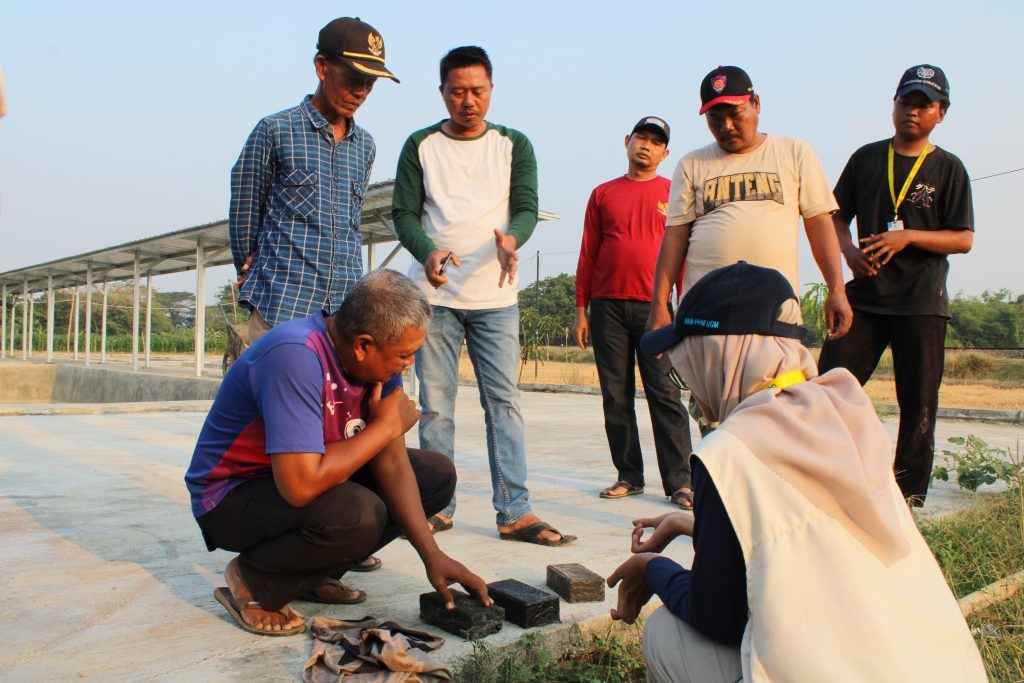
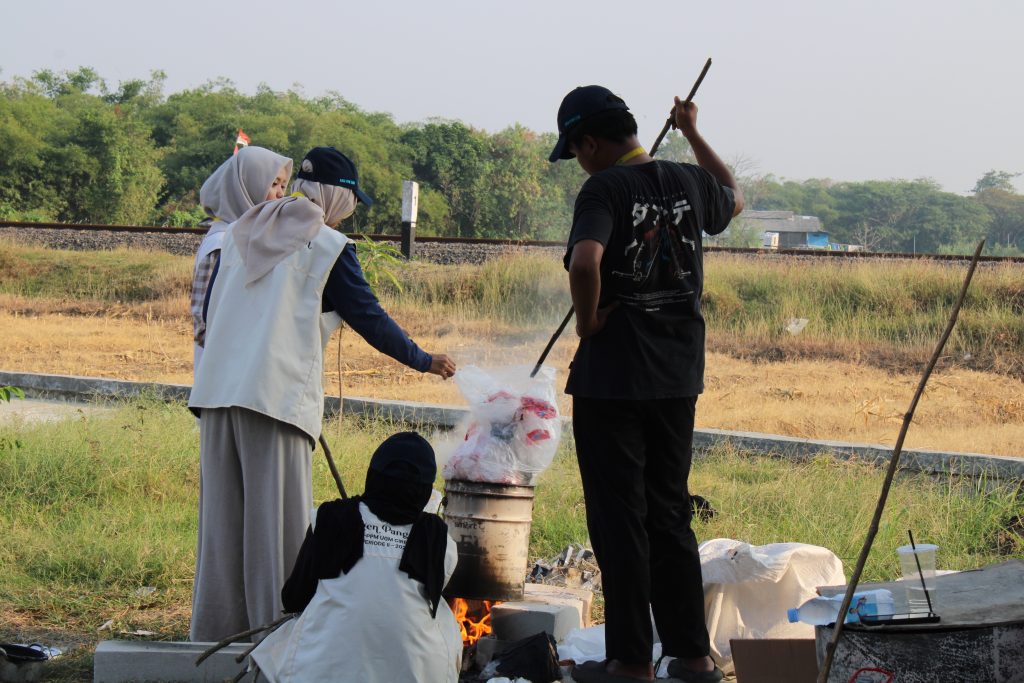
UGM KKN-PPM Students Educate Getrakmoyan Residents on Turning Plastic Waste into Eco-Friendly Paving Blocks
Cirebon, July 27, 2025 – As part of their community engagement initiative, students from Universitas Gadjah Mada’s Community Service and Empowerment Learning Program (KKN-PPM) carried out a waste management program in Getrakmoyan Village, Pangenan District, Cirebon Regency, West Java. The program, titled “Eco Paving Education for a Sustainable Environment,” aims to address plastic pollution through practical, community-based solutions.
This interdisciplinary initiative brought together Anisah A’bidah, a student from the Arabic Study Program, Faculty of Cultural Sciences (Social Sciences track), and Sandhi Vardhana Rally, a student from the Civil Engineering Program, Faculty of Engineering (Science and Technology track). Conducted on July 19 and 26, 2025, the program empowered local communities through a hands-on workshop on producing environmentally friendly paving blocks made from recycled plastic waste. The main beneficiaries were the village government and the local Village-Owned Enterprise (BUMDes), identified as key partners for ensuring the program’s sustainability.
The project began with a survey to map the potential and volume of plastic waste in the area, providing a foundation for developing technical training materials and implementation strategies. The team then collaborated with local leaders and BUMDes representatives to finalize the execution plan. All necessary tools and materials — including used drums, firewood, and plastic waste — were sourced independently by the team, while the paving molds were purchased by the students to support the production process.
The program received a warm welcome from Getrakmoyan Village Head, Mr. Junandi, who praised the initiative as both innovative and unprecedented in the village. “We greatly appreciate this activity, which offers practical benefits and could become a long-term solution to our plastic waste problem. We hope the results can not only be used for public facilities but also be developed further by the village or BUMDes as a viable economic product,” he stated.
With strong community involvement and institutional support from the village government, the project is expected to serve as a sustainable waste management model at the local level. Furthermore, this initiative contributes directly to the realization of several Sustainable Development Goals (SDGs), particularly SDG 11: Sustainable Cities and Communities, SDG 12: Responsible Consumption and Production, and SDG 17: Partnerships for the Goals.
Through collaboration, education, and innovation, UGM students are helping communities turn waste into opportunity — creating not only paving blocks, but also pathways toward a more sustainable future.
Introducing Arabic Language and Culture from an Early Age: UGM KKN-PPM Students Organize “Arabic Days” at Musalla Syamsul Huda
West Lombok, July 23, 2025 — In an effort to introduce Arabic language and culture to children from an early age, students from Universitas Gadjah Mada’s Community Service Learning Program (KKN-PPM) organized a program titled “Arabic Days: Introduction to Arabic Language and Culture” in Karang Bucu Lauq Hamlet, Bagik Polak Village, West Lombok Regency. Held every Tuesday and Wednesday over a three-week period from July 8 to July 23, 2025, the sessions took place at the Syamsul Huda prayer hall.
This initiative was led by a member of the KKN-PPM Antologi Labuapi Team, a student from the Arabic Study Program at UGM, as a form of community engagement through education rooted in Islamic and cultural values. The primary goal was to introduce children to the basics of the Arabic language and cultural elements in a fun and engaging way. The participants were children attending the local TPQ (Qur’anic Learning Center), ranging from 3 to 8 years old.
Throughout the program, KKN students guided the children directly in learning hijaiyah letters, reading Iqra and the Qur’an, and introducing them to basic Arabic vocabulary, greetings, and aspects of Arab culture, such as traditional foods and clothing. Each session was designed to be child-friendly and enjoyable, using interactive learning methods like illustrated PowerPoint presentations, Islamic-themed animated videos, educational songs, and simple games with Islamic nuances. These methods ensured that the children not only understood the material but also enjoyed and stayed engaged throughout the learning process.
The children showed high enthusiasm and curiosity from the very first day, actively participating in every activity with joy and interest. The local community warmly welcomed and supported the program, seeing it as a positive contribution to the children’s learning, especially in religious education and broader exposure to Islamic culture. Parents and community members appreciated the students’ active involvement in delivering fun and communicative learning.
Through Arabic Days, the KKN-PPM students hope to instill a love for the language of the Qur’an and broaden the children’s understanding of the rich and diverse Arab culture. This program stands as a testament to how creatively designed education can bridge religious and cultural values in a harmonious and impactful way within local communities.