UGM Arabic Study Program Students Participate in Al-Istiqama International Arabic Public Speaking Competition 2025
Yogyakarta, October 9th, 2025 – Students from the Arabic Study Program, Faculty of Cultural Sciences, Universitas Gadjah Mada (UGM), are actively participating in the Al-Istiqama International Arabic Public Speaking Competition 2025, an international Arabic speech contest organized by the Omani Research and Studies Centre in collaboration with Istiqama Academy and the Arabic Debate Club. This prestigious event, held under the theme of nurturing eloquence, leadership, and global understanding, gathers high school and university students from around the world to showcase their Arabic communication skills.
The competition features two stages: the online qualifying round, where participants submit a 3–5 minute speech video by October 10, 2025, and the semi-final and final rounds, which will take place on November 7, 2025, at the International Islamic University Malaysia (IIUM). Contestants will address one of several themes, such as “Education and Innovation as Our Path to Leadership” and “The Role of Youth in Building a Peaceful Future.” Winners will receive total prizes amounting to RM 20,000 (approximately USD 4,700).
The Arabic Study Program at UGM provides full support for its students joining this competition. The department organizes intensive coaching sessions, helps students record and edit their competition videos, and provides academic and technical assistance to ensure the best possible preparation. This initiative reflects the program’s dedication to encouraging students to hone their public speaking, linguistic, and intercultural communication skills on the international stage.
Through this participation, UGM continues to foster an environment that empowers students to represent Indonesia in global academic and cultural arenas while embodying the values of confidence, eloquence, and collaboration. The Arabic Study Program’s support for this event also aligns with the Sustainable Development Goals (SDGs)—particularly SDG 4 (Quality Education), SDG 16 (Peace, Justice, and Strong Institutions), and SDG 17 (Partnerships for the Goals)—by promoting global educational collaboration and student empowerment through language and culture.
SANJUNG #4: HIMASA UNPAD Conducts a Comparative Study Visit to IKMASA UGM
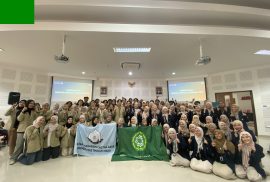
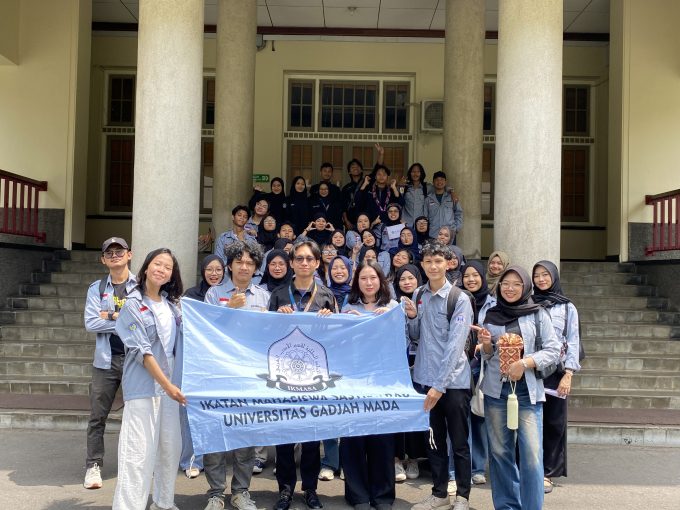
Yogyakarta, 4 October 2025 – The Arabic Student Association (IKMASA) of Universitas Gadjah Mada (UGM) warmly welcomed the Arabic Literature Student Association (HIMASA) from Universitas Padjadjaran (UNPAD) during their comparative study visit to the Faculty of Cultural Sciences, UGM. The event aimed to strengthen academic and organizational ties while fostering collaboration and friendship between student associations.
The SANJUNG program was attended by all representatives of IKMASA UGM’s 2025/2026 management board from each department, accompanied by IKMASA Chairperson Candra Solihin. Meanwhile, the HIMASA UNPAD delegation, consisting of around 60 members, was led by HIMASA Chairperson Moch Cahya Kurnia.
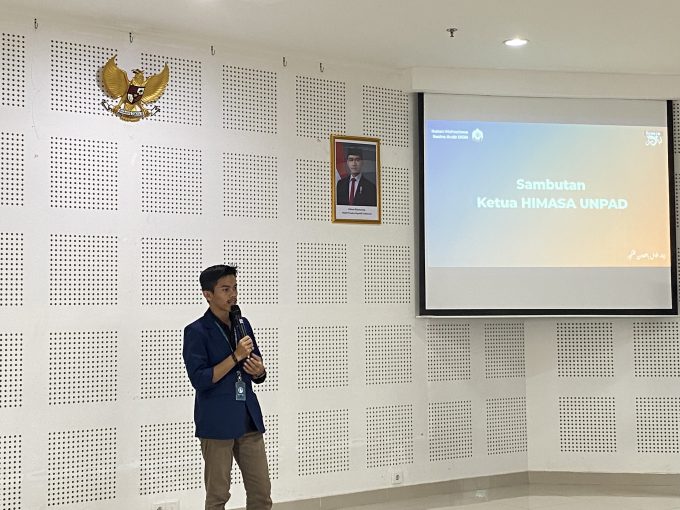
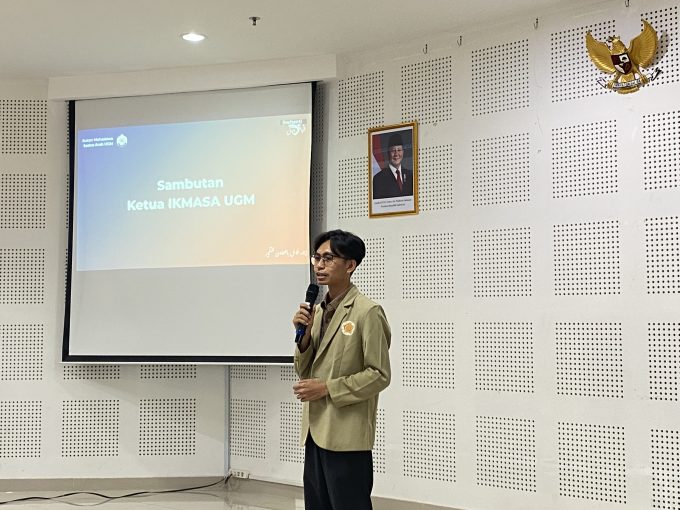
The event began with welcoming remarks from both organization leaders, followed by presentations of work programs from each department and division. The participants then engaged in focused discussion sessions organized into small groups, each consisting of one to two departments, allowing for deeper exchanges of ideas and experiences. The program concluded with a documentation session held in Room 709 of the Soegondo Building.
This visit served not only as a platform for sharing organizational best practices but also as a meaningful step toward building lasting partnerships and academic collaboration among Arabic student associations across Indonesia.
SANJUNG #3: HIPER UNY Conducts a Comparative Study Visit to IKMASA UGM
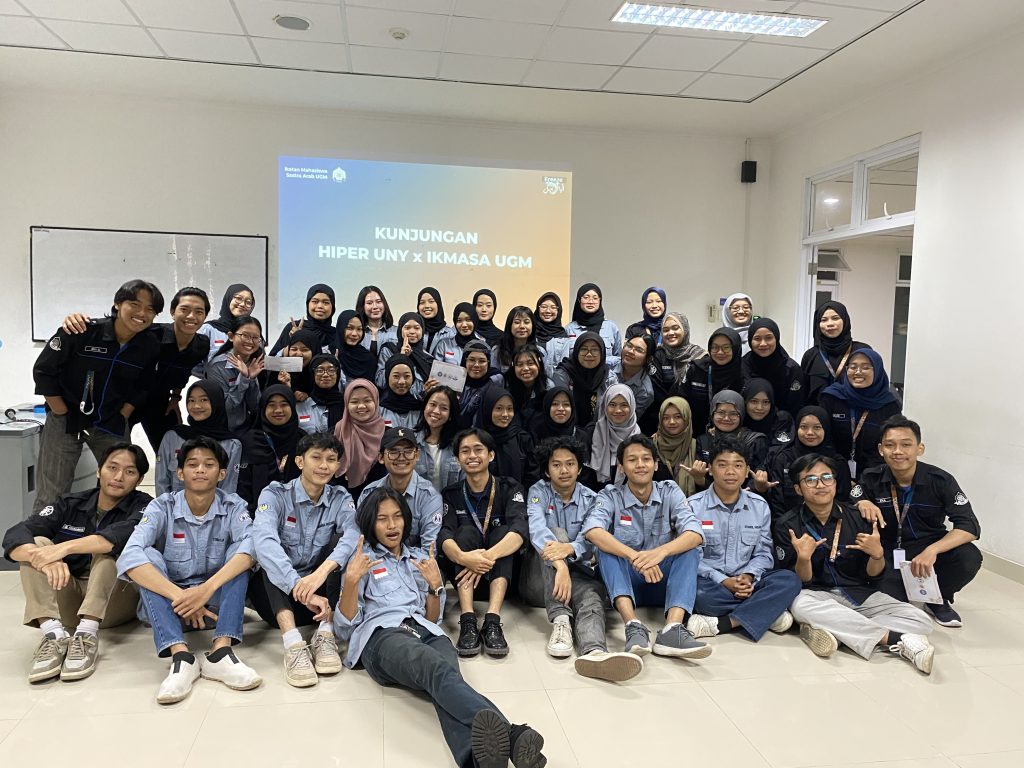
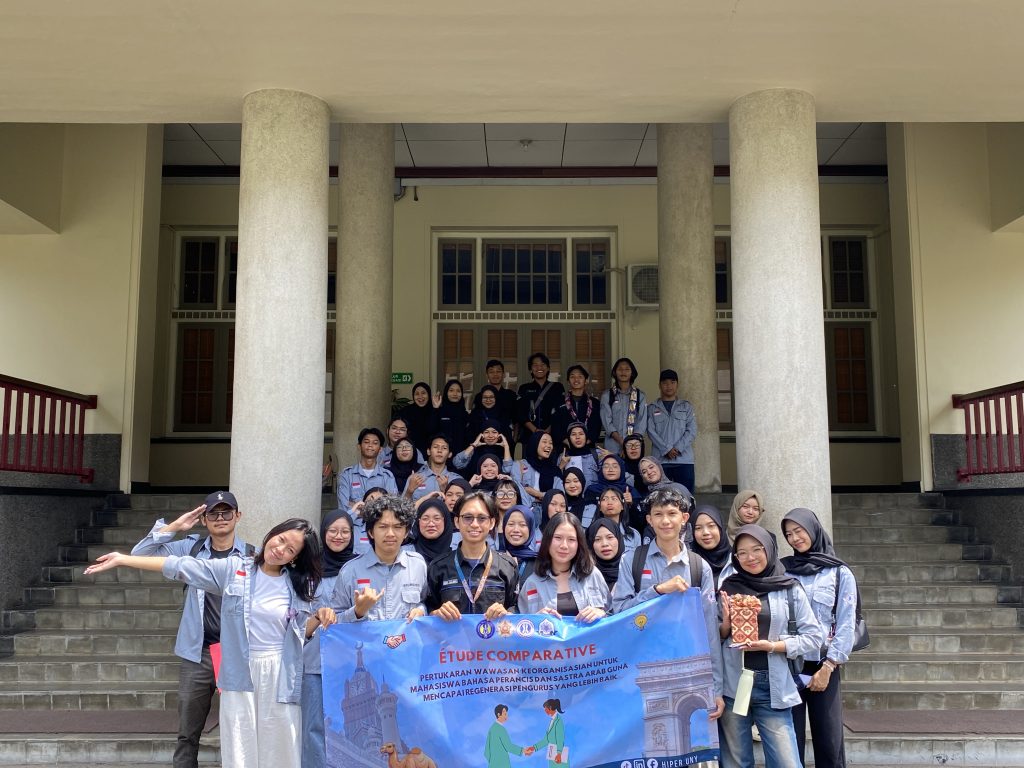
Yogyakarta, 24 September 2025 – The Arabic Student Association (IKMASA) of Universitas Gadjah Mada (UGM) warmly welcomed members of the French Student Association (HIPER) from Yogyakarta State University (UNY) during their comparative study visit to the Faculty of Cultural Sciences, UGM. The event aimed to strengthen ties, foster collaboration, and build sustainable relationships between student associations.
The Sanjung program was attended by all representatives of IKMASA UGM’s 2025/2026 management board from various departments, accompanied by IKMASA Chairperson Candra Solihin. Meanwhile, the HIPER UNY delegation consisted of around 60 members, led by HIPER Chairperson Moch Cahya Kurnia.
The event began with opening remarks from both association leaders, followed by presentations of each department’s or division’s work programs. Participants then joined breakout discussion sessions in small groups comprising one to two departments from each association. The program concluded with a photo session held in Room 209 of the Soegondo Building.
This Sanjung activity aligns with the 17th Sustainable Development Goal (SDG 17): Partnership for the Goals, which emphasizes the importance of collaboration and partnerships in achieving shared objectives. Through this initiative, IKMASA UGM and HIPER UNY not only strengthened inter-organizational relationships but also contributed to building interdisciplinary academic and cultural networks. Such collaborations are expected to inspire new sustainable ideas, enhance student solidarity, and take a meaningful step toward creating a more inclusive and empowering educational environment.
Sixth Entrepreneurship Lecture: UGM Arabic Study Program Students Design Social Entrepreneurship Business Plans Based on Literacy
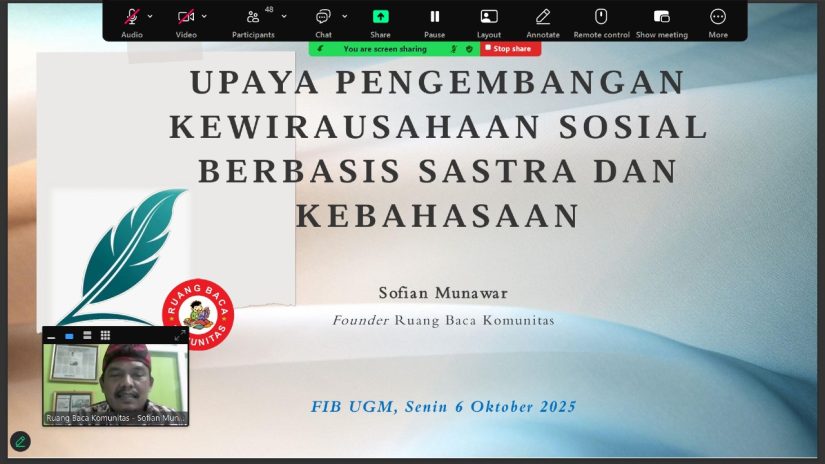
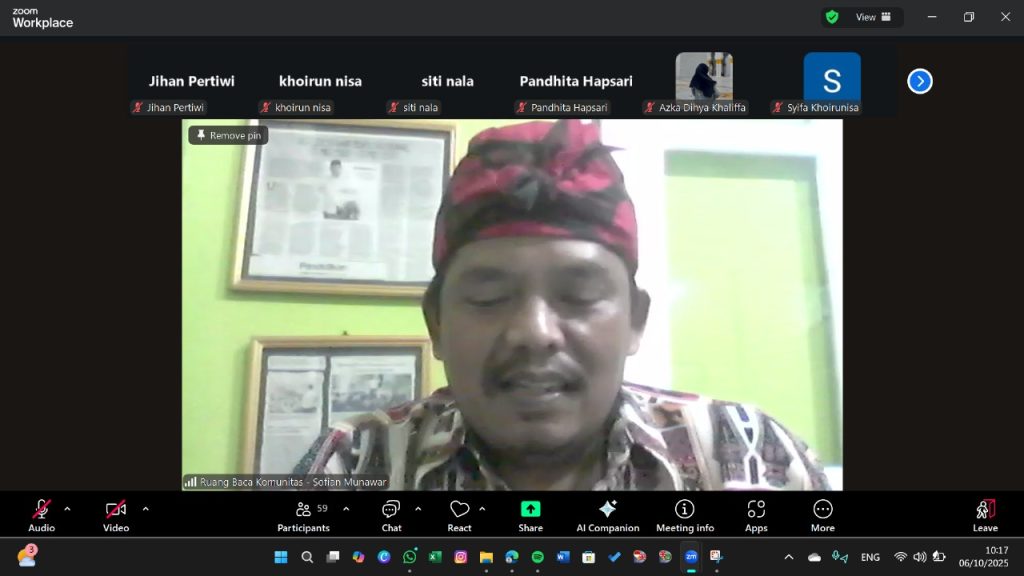
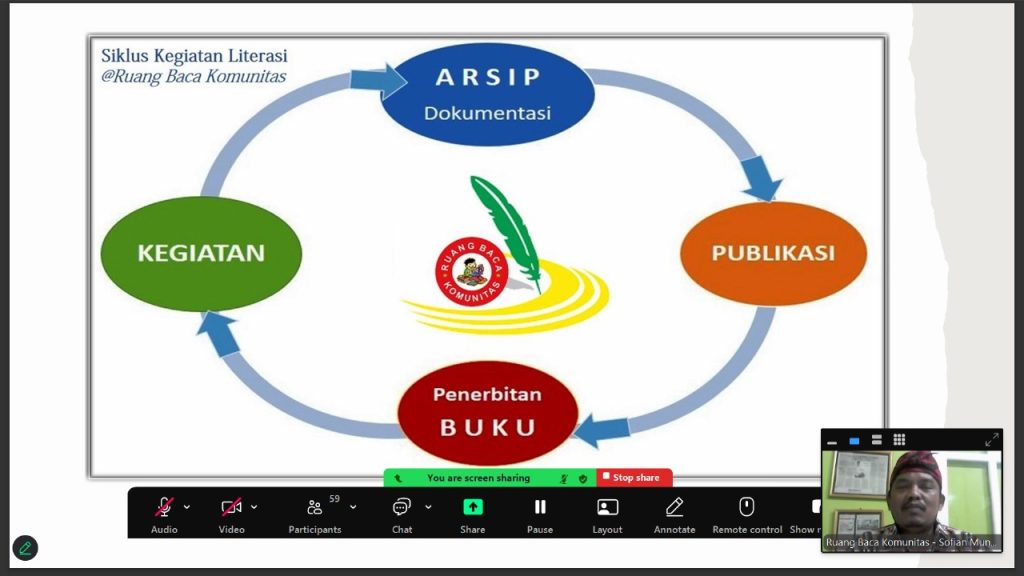
Yogyakarta, October 6, 2025 – The Arabic Study Program, Faculty of Cultural Sciences, Universitas Gadjah Mada, continued its Entrepreneurship course in the sixth session by once again inviting Sofian Munawar, S.S., M.A., Founder of Ruang Baca Komunitas, as the guest lecturer. In this session, students were guided to design a business plan under the theme “Developing Social Entrepreneurship Based on Literature and Language”, as a practical application of the materials discussed in previous meetings.
During the lecture, Sofian Munawar emphasized the importance of understanding the literacy ecosystem within schools and communities as the foundation for developing literature- and language-based social enterprises. Students were encouraged to identify existing literacy issues—such as low reading interest, limited access to books, and weak writing culture among students. From these challenges, they learned how to conduct research, develop innovative concepts, and formulate sustainable business plans that take social and educational aspects into account.
Sofian Munawar also highlighted the significance of building cross-institutional networks involving schools, government bodies, and literacy communities. He introduced students to various literacy-based initiatives such as IKMASA Goes to School (a literacy outreach to Islamic boarding schools), collaborations with the Ministry of Religious Affairs and BAZNAS, and publishing opportunities through IKMASA Press. In this context, books are seen not merely as reading materials, but as tools of inspiration and instruments for community empowerment.
As a form of applied learning, Arabic Study Program students were assigned to create a group business plan titled “Social Entrepreneurship Design Based on Linguistic Literacy”, which included components such as background, problem identification, business opportunities, and implementation strategies. These business plans will later be presented in the following session as a tangible reflection of their ability to develop literacy-based social enterprise ideas.
Through this session, UGM Arabic Study Program students not only learned to be critical and creative academics but also changemakers capable of generating social impact through literacy innovation. This program also contributes to the achievement of the Sustainable Development Goals (SDGs), particularly SDG 4 (Quality Education) by strengthening literacy movements, SDG 8 (Decent Work and Economic Growth) by encouraging the creation of competitive social enterprises, and SDG 10 (Reduced Inequalities) through inclusive education and language-based community empowerment.